
This story originally appeared in The Centre County Gazette.
By Avery McGurgan, Quinn O’Leary and Bronwyn Liber
The News Lab at Penn State
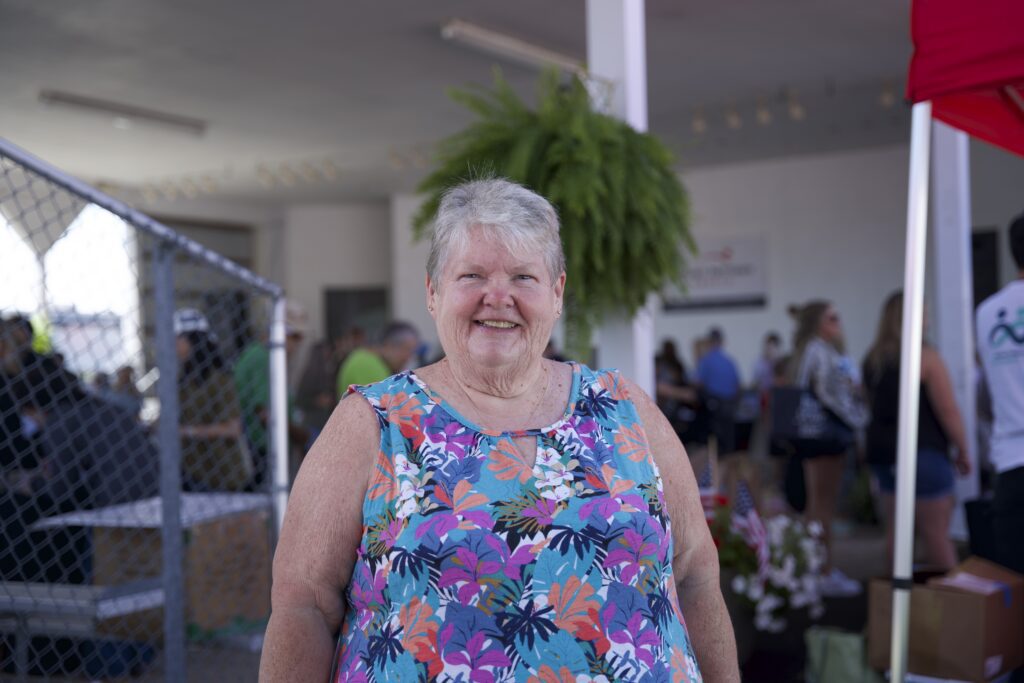
CENTRE HALL — When Kim Geisewite, a retired teacher from Clinton County, was diagnosed with a benign cyst on her right kidney, her provider at UPMC told her the nearest treatment facility was in Pittsburgh. A lifelong rural Pennsylvanian, Geisewite was reluctant to travel so far for care, but found a solution through networking with local health systems.
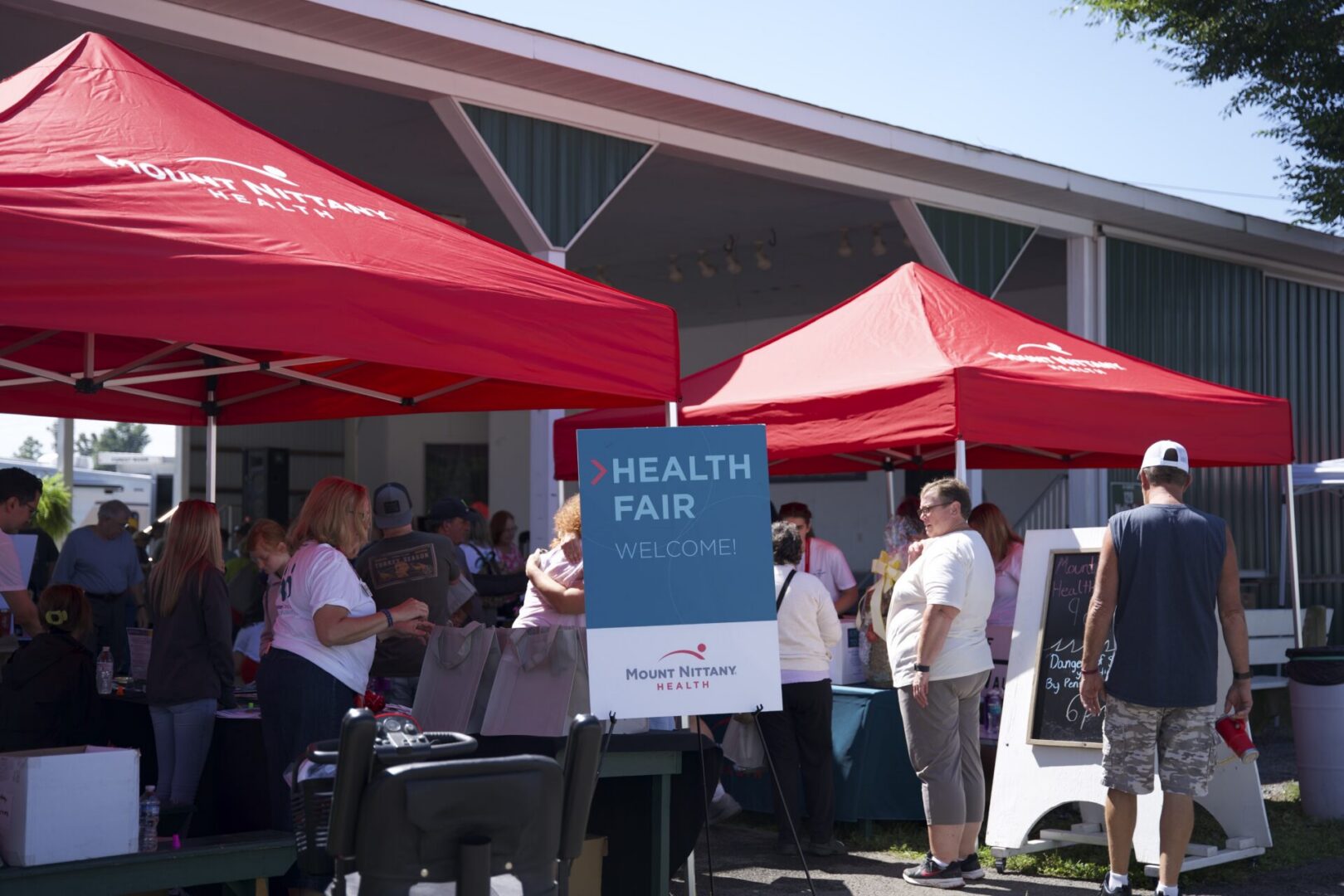
Geisewite was one of dozens of residents from across the state who filtered through the Mount Nittany Health Fair tent on Aug. 21 at the Grange Fair, where attendees traded stories about their own experiences with their local healthcare systems while interacting with professionals from Mount Nittany Health. Providers distributed information on measles, tick diseases, diabetes, diet, fitness and more.
This event was one of several efforts made by local healthcare providers throughout the year to meet the needs of more remote communities. According to the Pennsylvania Health Access Network, 26 hospitals have closed across the state in the past five years. A study commissioned by the Hospital and Healthsystem Association of Pennsylvania estimates another 12-14 could close over the next five years, adding 22 minutes to the average drive to the nearest hospital.
Although the commonwealth’s rural residents are hit hardest by such hospital closures, several fair-goers still agreed that when it comes to their own medical needs, Central Pennsylvanians are making it work.
Tina Klinger, a 59-year-old hairdresser from Bellefonte, suffered a stroke four years ago and was transported to Mount Nittany Medical Center for emergency care.
“I had exceptional healthcare,” Klinger said.
Coming out of her stroke, Klinger was connected with medical professionals in Danville to aid in her recovery. One such expert regularly commutes to Gray’s Woods to serve as Klinger’s primary cardiologist and electrophysiologist.
“We seem to have a lot of facilities around here,” Klinger said. “It’s just finding the doctor that you like and you can relate to.”
The Grange Fair has been a focal point for rural Pennsylvanians since 1874. A nine-day celebration of farming culture, the fair is 264 acres of tent camping, carnival rides, livestock shows, food stands and live entertainment. The Mount Nittany Health Tent is a stark contrast to the funnel cake stand it neighbors, but its presence has become a new staple for attendees.
“We’re in a crisis mode in rural communities, I think,” said Dr. Michael McShane, a provider with the Penn State College of Medicine who was there to provide free cervical cancer screenings in his mobile care unit. “There’s a need for us to get out of the brick and mortar clinics and meet people where they are located.”
McShane’s unit is one of two dedicated to providing specialized healthcare services to remote communities.
The units are equipped with an examination room, a vaccination refrigerator, a bathroom and a consultation area where community members can receive dental checkups, blood pressure and cholesterol checks, cancer screenings and more.
The cancer screenings at the Grange Fair were done by a self-swab, which McShane will test and notify patients of the results. Those with positive screenings will receive information about care options in the region.
The units have served over 15 counties in the last two years with funding from the USDA Rural Development Grant.
“What we really focus on is this challenge of access,” McShane said. “Healthcare access is part of that, but it’s also access to other resources, whether that be food, economic opportunities, education … It’s our obligation as a university to reach people in rural communities that have been so great to the university.”
However, not everyone in need can receive this type of care.
Geisewite’s local podiatrist referred her to Temple University Hospital in Philadelphia to have her cyst treated.
“We did what we had to do to get things done,” she said.
Would Geisewite rather have all of her needs taken care of locally? “That would have been much simpler,” she said. Even so, she and her husband, also retired, wouldn’t trade their hometown for a big city, even if it made healthcare access easier.
“I’m a country girl. My neighbors are cows, and I like it that way,” she said.
More Community
View all Community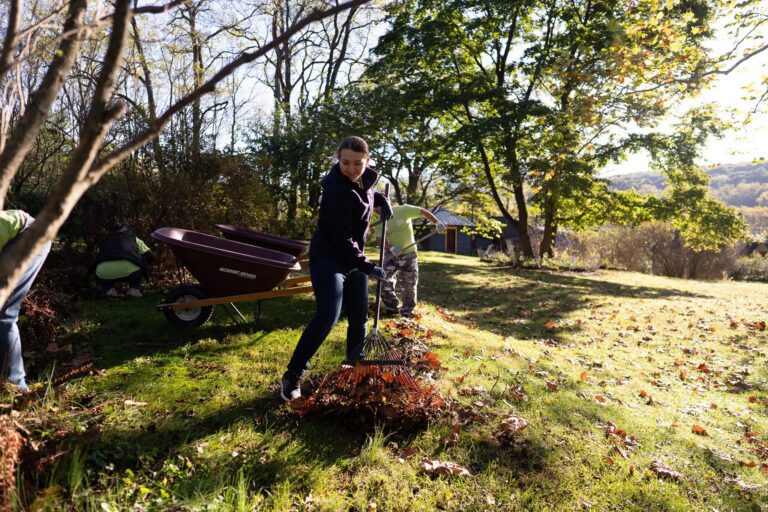
Centre County United Way Bringing Community Together for Annual Day of Caring to Help Local Nonprofits
Centre County United Way will once again bring together hundreds of community members to help support local businesses and organizations for its annual “Day of Caring” on Thursday, Oct. 1. […]
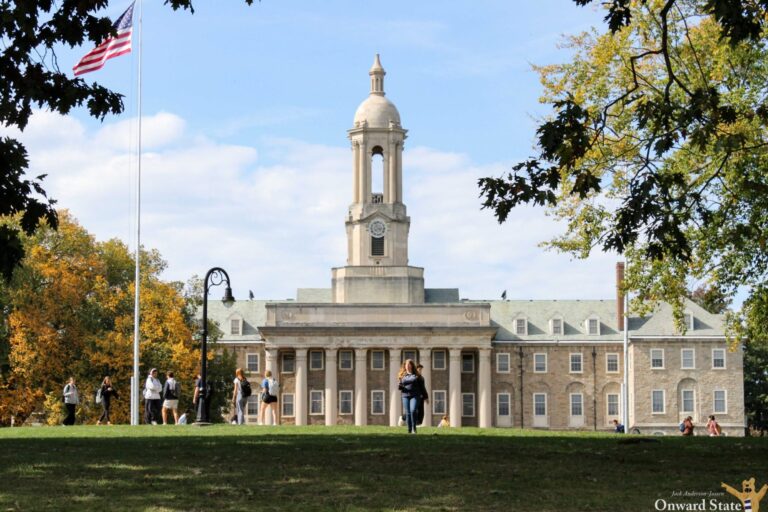
Big Ten Blood Drive Puts Penn State in Race for $1M Grant, Seeks to Boost Supply Amid Critical Shortage
Penn State is asking students, alumni and fans to donate blood as the university joins all 18 Big Ten schools in a competition that could bring a $1 million grant […]
AccuWeather Founder Joel Myers Named to Broadcasting & Cable Hall of Fame
Joel Myers, the founder and executive chair of State College-based AccuWeather, will be honored for his pioneering career when he is inducted into the Broadcasting & Cable Hall of Fame […]


